Guide · Hoof care
Hoof nipper buying guide
Hoof nippers do heavy cutting, so the right pair saves effort and keeps cuts clean. This guide explains what to compare, how nippers differ from shears and rasps, and how to keep them working.
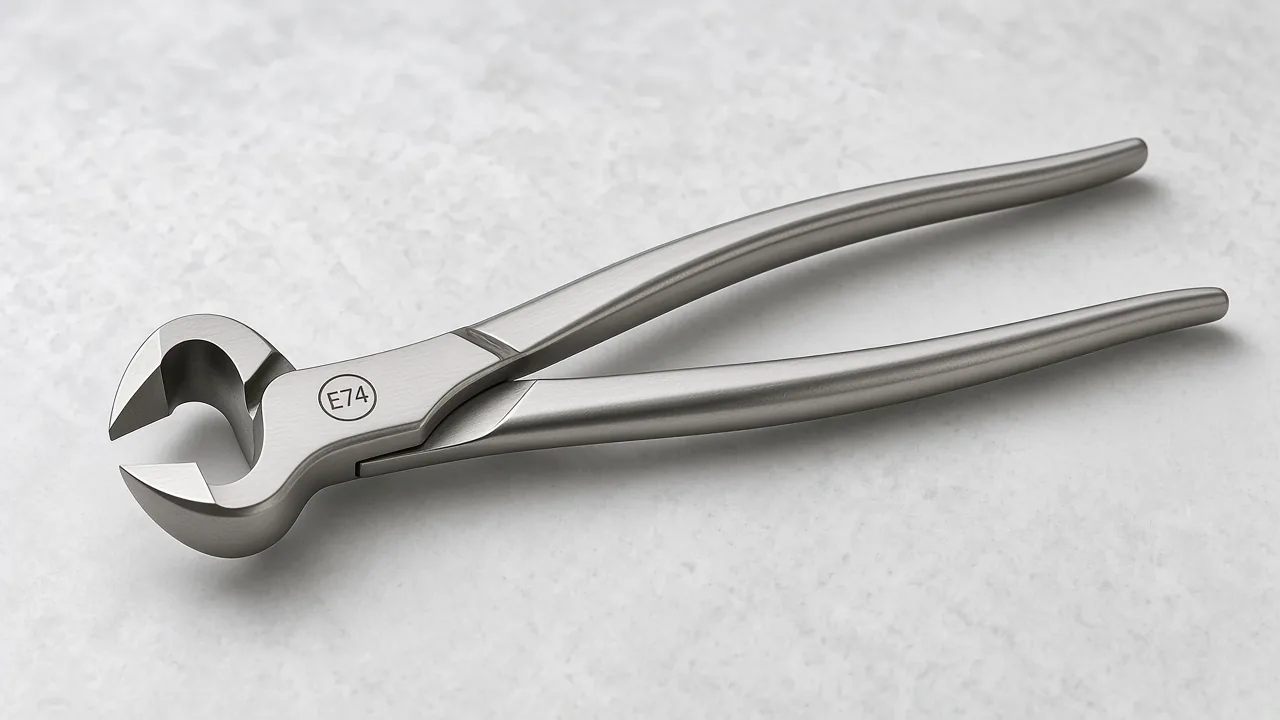
General information, not medical or veterinary advice. Follow your local rules and the instructions that come with your equipment.
What hoof nippers do
Hoof nippers cut through the hoof wall, the hard outer part of the hoof that grows past the sole. Two cutting jaws meet at the front, and long handles give the leverage to cut through horn. Nippers are for taking length off. A rasp then levels and finishes the cut. Using the right tool for each step makes the job quicker and gives a flatter result.
Nippers, shears and rasps
| Tool | What it does | Typical use |
|---|---|---|
| Hoof nippers | Cut across the hoof wall with two jaws | Horses and larger animals |
| Hoof shears | Smaller, scissor-style cutting | Goats and sheep, where less force is needed |
| Hoof rasp | Files and levels the hoof after cutting | Finishing the foot on all hoofed animals |
A common starter set is a pair of nippers or shears plus a rasp. See our goat hoof trimming guide for how shears and a rasp work together.
Length
Hoof nippers are commonly sold in lengths of about 14 inches and up. A longer handle gives more leverage, so the cut takes less hand strength, but it is heavier and less handy to carry and control. A 14 inch pair is a common size for general farrier and hoof work. For goats and sheep, a smaller pair of hoof shears is usually easier on the hand and gives more control.
Jaws and blade alignment
The cutting edges are the most important part. Look for:
- Jaws that meet cleanly along the full edge when closed, with no gap or overlap.
- An edge that is sharp from the factory and can be sharpened later.
- A pivot that opens and closes smoothly without wobble.
- Jaw width that suits the size of the hoof you work on.
Light visible between closed jaws or a side-to-side wobble in the pivot are signs the pair will crush rather than cut.
Handles and weight
You hold nippers for a long time, so grip matters. Check that the handles are long enough for your hands and that your thumb and fingers sit comfortably when the jaws are closed. A pair that is too heavy tires the wrist. A pair that is too light may need more effort per cut. If several people share the tools, ask for a sample first.
Steel and finish
Hoof tools live in wet, dirty conditions. Stainless steel resists rust better than plain carbon steel, but it still needs drying after use. Hardened stainless holds an edge longer. A smooth finish is easier to clean and gives rust less to grip. For more about how stainless instrument steel is chosen, see our steel guide.
Care and sharpening
Brush off dirt and manure after each use, wash, dry fully and wipe the jaws with a light film of oil before storing. Check for chips or flat spots on the cutting edge. Dull nippers need more force and leave ragged cuts, so have them sharpened when they stop cutting cleanly. Disinfect tools between animals. See the care guide for a full checklist.
Questions to ask before ordering
- What is the overall length, and how much does the pair weigh?
- What steel is it made from, and is it hardened at the cutting edge?
- Can the cutting edge be sharpened, and by whom?
- Is the pivot a bolt or a rivet, and can it be tightened?
- What animals and hoof sizes is it made for?
Buying from E74
We list 14 inch hoof nippers, goat hoof shears, an 18 inch hoof rasp and a farrier 7-piece kit. Every veterinary item is price on request. Send a quote request with the item and the quantity and we reply with a written quote. Nothing is charged until you accept it. This guide is general information, not veterinary advice.
Related products
Questions
What size hoof nippers should I buy?
A 14 inch pair is a common size for general farrier and horse hoof work. For goats and sheep, smaller hoof shears are usually easier to control.
What is the difference between hoof nippers and hoof shears?
Nippers are larger tools with two cutting jaws and long handles for cutting through the hoof wall on bigger animals. Shears are smaller and scissor-style, suited to goats and sheep.
Do I need a rasp as well as nippers?
Most people do. Nippers cut the length off, and a rasp levels and smooths the hoof afterwards.
How do I know when hoof nippers need sharpening?
When they need more force, crush the horn instead of cutting it, or leave ragged edges. Sharpen them before the edge gets damaged.
Do you publish prices for hoof tools?
No. Veterinary items are price on request. Send a quote request through the contact form and we reply with a written quote.